To address concerns around fire safety in community living, the Building Commission NSW recently provided specific guidance when strata buildings must upgrade their fire safety measures.
Upgrades are required if the current measures don’t meet the minimum standard as outlined in the building’s fire safety schedule, as strata buildings must follow a number of laws, regulations and standards.
Strata schemes will be forced to act when they receive a fire safety order from local councils or Fire and Rescue NSW. These orders can mandate upgrades or new installations so that the building is compliant with the Building Code of Australia.
If you’re lodging a DA to change the use of common property, then the required fire protection and that new purpose must align. This may include adding sprinklers, smoke detectors or emergency exits.
Similarly, development applications (DA) or complying development certificates (CDC) for building work may require upgrades to the current fire safety measures.
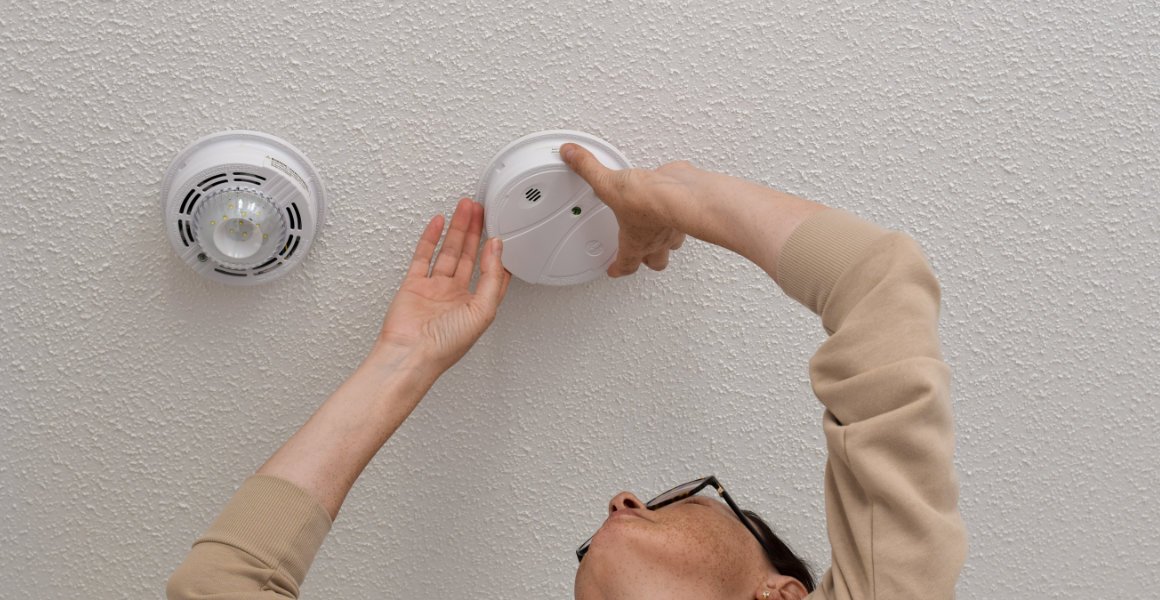
Additionally, owners must install working smoke alarms on the ceiling in every hallway where people sleep on each storey. The alarms can’t be removed or disabled. Owners that rent out their property must arrange for the alarms to be checked every year.
The NSW Government website outlines the process when a fire safety order is issued.
“The local council must notify the building owner before issuing the order and provide the following details:
- intent and terms of the order
- compliance timeframe
- information about the right to make representations or appeal.
Building owners can engage legal representation and appeal to the Land and Environment Court. This process ensures procedural fairness and allows for negotiation on the scope and timing of required works.
Building owners cannot appeal a fire safety order issued by Fire and Rescue NSW, except when an order prevents a person from using or entering the premises.”
This latest advice follows reforms to building fire safety that were first introduced in 2022, expanded in 2023, and with further changes slated for 2026 and 2027.
The reforms include a mandated government template for Fire Safety Schedules, enhanced consultation with Fire & Rescue NSW on non-standard designs, creation of an independent “checker” role to assess new installations before occupation, and a requirement that essential fire safety measures be maintained in accordance with relevant standards.
From February 2027, owners must use accredited persons to certify newly installed fire safety systems.
These changes aim to reduce life-safety risks, fire damage, and compliance gaps.
The NSW Government website has more information on these reforms.
If you have any questions about fire safety, please contact your Managing Agent at Netstrata.
Related Posts