- BLOG ARTICLES
- Strata
Right to Charge: What NSW’s New EV Charging Law Means for Strata Owners
share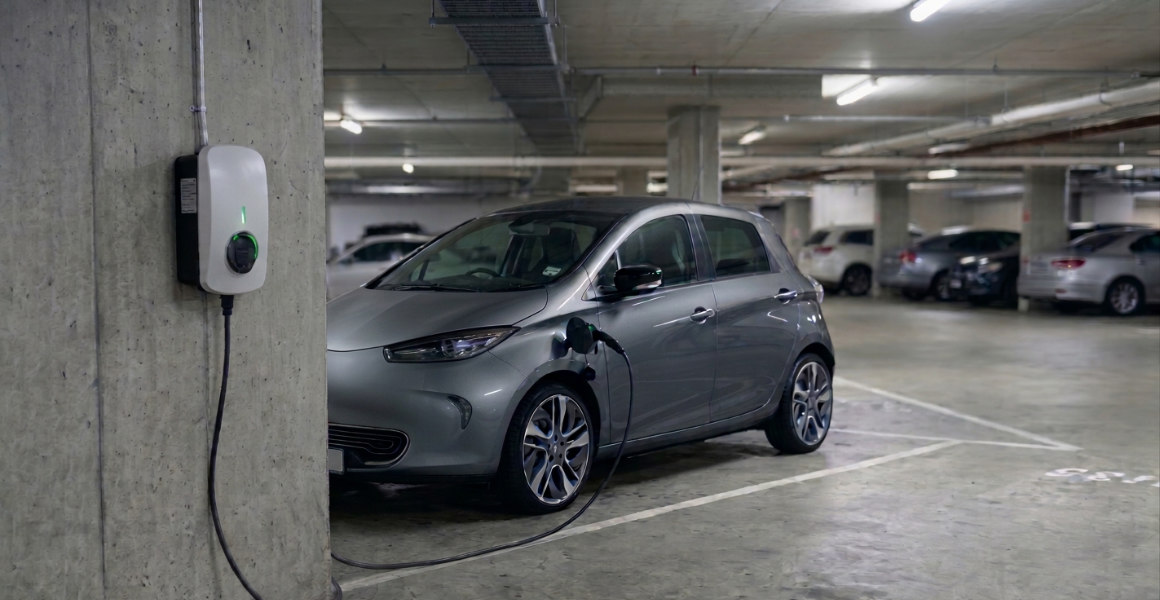
Apartment owners in NSW will soon have a legal right to install an electric vehicle charger in their own car space. The change is part of the Strata Schemes Legislation Amendment (Miscellaneous) Bill 2025, which passed NSW Parliament on 15 October 2026.
For many EV owners living in strata, charging at home has been one of the biggest hurdles. Getting a charger approved usually meant waiting for a general meeting, with no set timeframe for a decision. The new “Right to Charge” is designed to make that process simpler, faster and fairer.
Under the new laws, an owner can install an EV charging station on their own lot, even where the work also involves changes to common property. In practice, this usually means a charger in your allocated car space, with cabling run back to the building’s electrical supply.
The strata committee can still object, but only on reasonable grounds. Any by-law that unreasonably prohibits a charger on an owner’s lot will have no effect. The usual approval rules for owners’ renovations, such as minor and major works approvals, won’t apply to work done under this new right.
The process starts with the owner giving the strata committee a written installation notice, along with any information the regulations require. Importantly, the decision sits with the committee rather than a general meeting vote of all owners.
The committee then has three months to respond. It can either give a no-objection notice, or object in writing with its reasons. If the committee doesn’t respond within that time, it’s taken to have no objection, and the owner can go ahead.
If an owner believes an objection is unreasonable, they can apply to the NSW Civil and Administrative Tribunal (NCAT). The Tribunal can order that a no-objection notice be given.
The cost of installing the charger sits with the owner, subject to the regulations. The owner is also responsible for the reasonable costs of maintaining and running the charger, and for repairing any damage to common property it causes.
This protects other owners in the building from carrying the cost of someone else’s charger. As with any electrical work, installation will need to be carried out by a licensed electrician.
While the bill has passed, the Right to Charge isn’t in effect just yet. NSW Fair Trading lists it among the reforms planned to start in 2027, and an exact start date is still to be announced. Until then, owners can’t lodge an installation notice under the new process.
The supporting regulations will also fill in some important details. These include what information an installation notice needs, what counts as a reasonable objection, and which types of chargers are covered. We’ll share an update once these are confirmed.
In the meantime, there’s already a path for buildings that want to move sooner. EV charging on common property is treated as sustainability infrastructure, which can be approved at a general meeting with a sustainability infrastructure resolution. That resolution passes unless 50% or more of the value of votes cast are against it, a much lower bar than the 75% needed for a standard special resolution.
Committees may also want to think about the bigger picture now. As more owners install chargers, the building’s electrical capacity will matter. A building-wide EV charging plan can help the owners corporation manage demand fairly, rather than responding to each request one at a time.
If you’re thinking about installing an EV charger, or your committee wants to start planning for EV charging in your building, please contact your Strata Manager at Netstrata. We’re happy to talk you through your options.